智能教育技术,大学教育的创新实践
智能产品开发与教育应用结合,正在重新定义教育方式,通过智能产品,教育内容可以更加个性化、系统化,满足学生的学习需求,这种创新性应用将推动教育领域向更智能化、更具活力的方向发展,为学生提供更高效的学习体验。
In the rapidly evolving world of technology, university education is no longer confined to traditional lecture halls and lecture halls. With the advent of intelligent products, university education has entered a new phase: the era of art learning. This transformative shift is not just a matter of convenience; it is a fundamental transformation in how we teach, how we learn, and how we engage with knowledge. From personalized learning to adaptive teaching systems, intelligent products are reshaping the educational landscape in ways that are beyond our imagination. University education is now a place where innovation meets tradition, where technology meets education, and where the future of learning is being birthed.
The Role of Intelligent Products in University Education
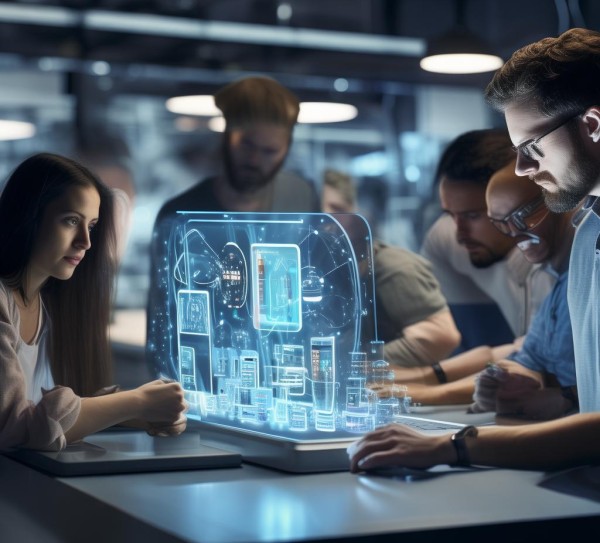
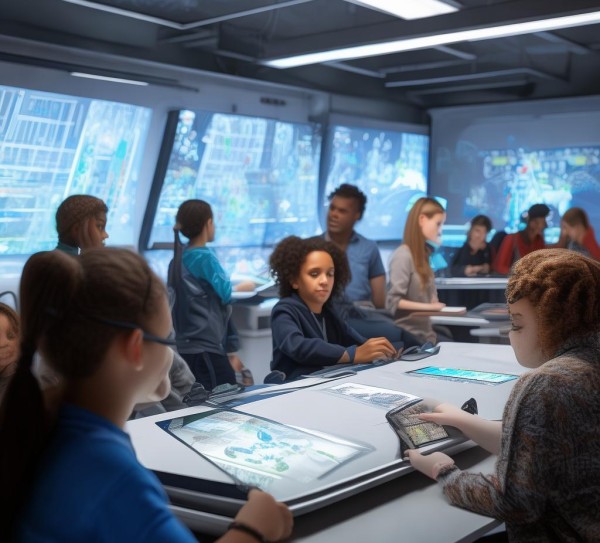
University education is a cornerstone of higher education, where students learn the fundamentals of human civilization, the laws of nature, and the principles of society. In this era of intelligent products, university education is undergoing a profound transformation. The traditional lecture hall is being replaced by art classrooms that integrate interactive learning tools. These classrooms are equipped with virtual and physical labs, adaptive learning platforms, and real-time data ytics. Students can now engage with information in a more dynamic and interactive way, fostering a deeper understanding of complex concepts.
One of the most significant impacts of intelligent products in university education is the ability to personalize learning experiences. Adaptive learning systems are now being integrated into various subjects, from mathematics to the sciences to the humanities. These systems assess the learning pace and strengths of each student and tailor the content and delivery methods accordingly. For example, in a biology class, students can learn about different organis through interactive simulations, while in a mathematics class, they can solve problems with visual aids and step-by-step guidance.
Moreover, intelligent products are revolutionizing the way knowledge is acquired. Online learning platforms are becoming more prevalent, allowing students to access educational materials at any time and from any location. These platforms also provide access to a wealth of information that is often unavailable in traditional lecture halls. For instance, students can access academic journals, research papers, and multimedia content anytime, which can enhance their learning experience.
Challenges and Solutions in Intelligent Product Development
While the benefits of intelligent products in university education are immense, there are challenges that need to be addressed. One major challenge is the development of robust intelligent learning systems. These systems require significant investment in technology and expertise, which can be a barrier for many universities. To overcome this, universities are increasingly adopting interdisciplinary approaches, bringing together experts from fields such as computer science, engineering, and education.
Another challenge is the integration of intelligent products with traditional teaching methods. While intelligent systems offer personalized learning experiences, they must still be integrated seamlessly into the broader educational framework. For example, a university course in mathematics must not only teach students mathematical concepts but also guide them in applying these concepts through intelligent learning tools. This requires a shift in teaching methods, where students are encouraged to think critically and apply their knowledge in real-world scenarios.
In addition to these technical challenges, there is also the issue of access and affordability. University education is often expensive, and the cost of intelligent learning tools can be a significant burden on students and institutions. To address this, universities are exploring innovative funding models, such as grants, partnerships with industry, and outreach programs. These efforts aim to make intelligent learning accessible to as many students as possible.
The Future of Intelligent Products in University Education
The future of intelligent products in university education is poised for transformation. As technology continues to advance, so do the intelligent products that will shape the educational experience. One of the most promising directions is the development of intelligent teaching assistants. These assistants can provide one-on-one guidance, answer questions, and offer personalized feedback, helping students to master difficult concepts.
Another promising area is the use of virtual and augmented reality to create immersive learning experiences. For example, students can explore virtual museums, engage in 3D simulations of historical events, or visualize complex scientific concepts in a more intuitive way. These immersive experiences can enhance the learning experience and make it more engaging.
Furthermore, the integration of machine learning and artificial intelligence in university education is becoming increasingly important. These technologies can yze large amounts of data, identify patterns, and provide insights that would be difficult to obtain through traditional methods. For instance, universities can use data ytics to identify students who are at risk of dropping out, allowing institutions to provide early intervention and support.
In conclusion, intelligent products are now playing a pivotal role in university education, reshaping the way we learn and teach. From personalized learning to immersive experiences, these technologies are transforming education into a dynamic and interactive field. As the technology continues to advance, university education will be more than just a subject; it will become a place where innovation meets tradition, where technology meets education, and where the future of learning is being birthed.